Source Heavy Truck Aluminum Synchronizer Cone for Repair
Find and compare heavy truck aluminum synchronizer cone options for Howo and other models. This sourcing guide covers 30 available parts with varying gear speeds, weights, and delivery times to help buyers identify suitable replacements for transmission repairs; compare the available evidence and request quotations based on your requirements.
Key considerations
Products List
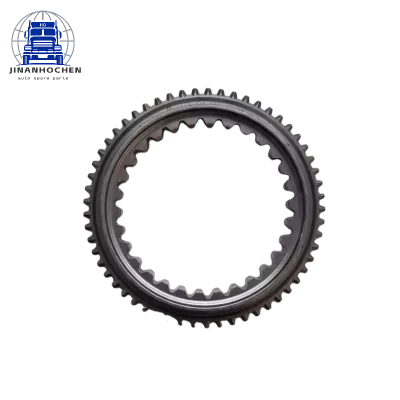


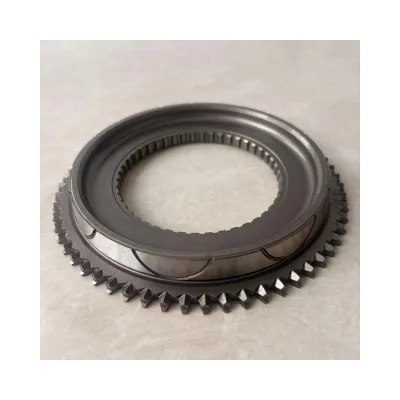
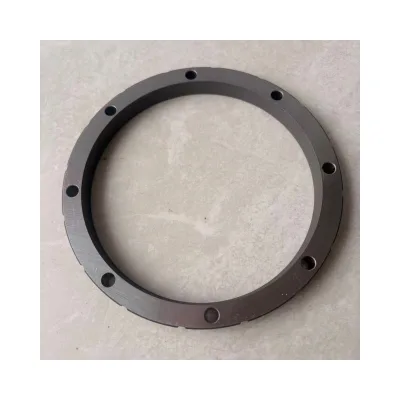


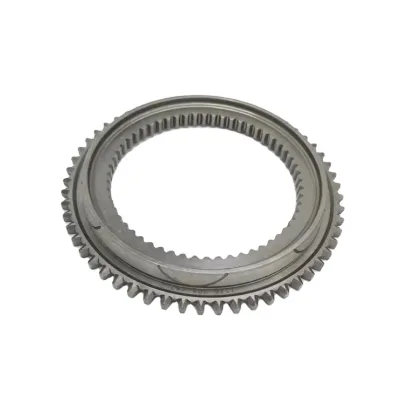
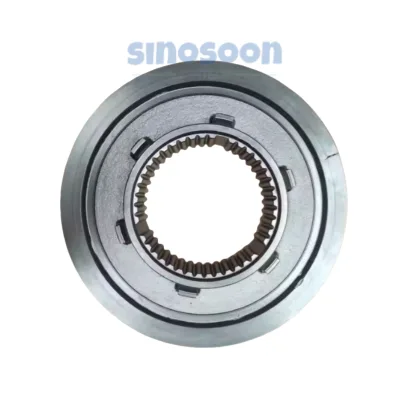


Comprehensive Sourcing Guide
Heavy Truck Aluminum Synchronizer Cone Sourcing Guide
Procuring replacement components for heavy-duty commercial vehicles requires a precise understanding of transmission architecture and material compatibility. While the core keyword specifies aluminum, observed market data indicates that steel remains a prevalent material for these assemblies, particularly for models like the Howo truck. Buyers must carefully distinguish between the housing material and the friction cone material, as the synchronizer cone itself often utilizes specialized brass or coated alloys to ensure proper gear engagement. Misidentifying the material composition can lead to premature wear or transmission failure, making accurate specification verification the first critical step in the sourcing process.
The supply chain for these parts is heavily concentrated in specific manufacturing hubs, with Shandong and Hubei identified as key origins for these components. This geographic concentration suggests a mature local ecosystem for heavy truck parts, offering competitive pricing and rapid logistics. However, buyers should be aware that "New" condition items may vary significantly in manufacturing quality and origin. Establishing clear communication regarding the exact model number and physical dimensions is essential to avoid receiving incompatible parts, especially when dealing with multiple truck brands or older fleet models that may have undergone transmission upgrades.
Product Scope and Observed Listing Signals
Market listings for heavy truck transmission components reveal a wide variance in product naming and technical descriptions. Buyers will encounter items labeled as "Transmission Assembly," "Synchronizer Cone," or "Synchronizer Gear Cone," which may refer to the entire unit or just the specific friction component. The observed product range includes various model numbers such as 1312304027 and 1333304117, indicating that these parts are highly specific to certain truck configurations. It is crucial to match the OE number precisely, as even minor variations in the part number can denote different gear ratios or physical dimensions that are not interchangeable.
Physical specifications observed in the market include dimensions like 36x36x8 cm and weights ranging from 1kg to 3.2kg, which helps in verifying the authenticity of the part upon receipt. The presence of "5-speed" and "6-speed" designations suggests that the synchronizer cones are tailored to specific transmission types, requiring buyers to confirm the gear count of their target vehicle. Additionally, the availability of customization options and the mention of "Higher" or "High-Quality" attributes indicate that buyers have choices in terms of performance levels, though these claims should be validated through physical inspection or supplier documentation rather than accepted at face value.
Technical Specifications to Verify
Verifying the mechanical compatibility of the synchronizer cone is paramount to ensuring smooth gear shifting and preventing transmission damage. Buyers must confirm the number of gears, as the observed data highlights both 5-speed and 6-speed variants, each requiring a distinct synchronizer design. The transmission control system is typically mechanical for these heavy-duty applications, meaning the synchronizer cone must engage precisely with the gear teeth without electronic assistance. Ensuring the correct model number, such as 1116 477 or 1380304034, is critical, as these identifiers directly correlate with the internal geometry and tooth profile of the component.
Dimensional accuracy and material integrity are equally important technical factors that require strict verification. The standard sizes observed, such as 20x20x1 or 21x21x5, provide a baseline for physical inspection, but buyers should request detailed engineering drawings or photos of the actual part before finalizing orders. The weight of the component, ranging from 0.2kg to 3.2kg depending on the specific item, serves as another verification metric; significant deviations from the expected weight may indicate material substitution or manufacturing defects. Confirming the "Single item" packing and neutral packing options can also help in assessing the care taken in handling these precision components during shipping.
Compliance and Safety Documentation
While specific certification statuses like ISO9001 are mentioned in background data, buyers should not assume that all suppliers possess these credentials without direct verification. In the absence of explicit certification documents, the primary focus should be on the supplier's ability to provide traceable quality records for each batch of synchronizer cones. Buyers should request material test reports or hardness certifications to ensure that the friction surfaces meet the necessary standards for durability and heat resistance. This documentation is essential for maintaining fleet safety and ensuring that the parts can withstand the high torque and thermal loads typical of heavy truck operations.
Warranty terms provide a secondary layer of protection and indicate the supplier's confidence in their product quality. Observed warranty periods range from 3 months to 6 months, which is relatively short for critical transmission components. Buyers should negotiate for extended warranty coverage or clear return policies in case of premature failure. Additionally, understanding the "Purpose: for replace/repair" designation helps in categorizing the part correctly for inventory and maintenance planning. Ensuring that the supplier offers 24-hour customer service can also facilitate quicker resolution of any technical queries or quality disputes that may arise during the installation process.
Cost Drivers and Commercial Terms
The pricing for heavy truck synchronizer cones varies significantly based on material quality, model specificity, and order volume. The observed price range of 2-250 USD reflects this diversity, with lower prices likely corresponding to basic replacement parts and higher prices to premium or specialized components. Buyers should analyze the cost per unit in the context of the part's expected lifespan and performance benefits, such as fuel efficiency improvements mentioned in some listings. It is important to balance initial procurement costs with long-term maintenance savings, as cheaper parts may lead to higher downtime and repair costs over time.
Minimum Order Quantities (MOQ) and delivery times are key commercial factors that influence procurement strategy. The observed MOQ range of 1-50 pieces allows for flexible ordering, enabling buyers to test small batches before committing to larger volumes. Delivery times of 5-15 days or 7-15 days suggest that inventory availability varies by supplier, so buyers should plan their orders accordingly to avoid production delays. Payment terms such as TT, PayPal, Western Union, and Trade Assurance offer varying levels of security, with Trade Assurance providing additional protection for international transactions. Understanding these commercial terms helps in negotiating better deals and managing cash flow effectively.
Supplier Qualification and Quality Control
Evaluating supplier reliability is crucial when sourcing critical transmission components for heavy trucks. Buyers should prioritize suppliers who demonstrate transparency in their manufacturing processes and provide clear product specifications. The mention of "Original" brand attributes suggests that some suppliers offer genuine parts, which may come with higher quality assurance but also higher costs. It is advisable to request samples or conduct factory audits to verify the supplier's capability to produce consistent, high-quality synchronizer cones. Building a relationship with a trusted supplier can lead to better pricing, priority delivery, and improved support for future procurement needs.
Quality control measures should be integrated into the procurement process to minimize the risk of receiving defective parts. Buyers should implement incoming inspection protocols to check for dimensional accuracy, material integrity, and surface finish. The availability of customization options indicates that some suppliers can tailor parts to specific requirements, which may be beneficial for unique fleet configurations. However, this also requires close collaboration with the supplier to ensure that the custom specifications are met. Establishing clear quality expectations and communication channels with the supplier helps in maintaining high standards and ensuring that the parts meet the operational demands of the heavy truck fleet.
Long-Term Procurement Checks
Sustaining a reliable supply chain for heavy truck parts requires ongoing monitoring and relationship management. Buyers should regularly review supplier performance metrics, including delivery punctuality, product quality, and customer service responsiveness. The availability of "Higher" quality options suggests that there is room for continuous improvement in the parts sourced. By maintaining open communication with suppliers, buyers can stay informed about new product developments or improvements in manufacturing techniques. This proactive approach helps in identifying potential issues early and adapting to changes in the market or fleet requirements.
Long-term procurement strategies should also include periodic audits of inventory and usage patterns to optimize stock levels. The observed variety in model numbers and specifications indicates that keeping a diverse inventory may be necessary to support different truck models. However, this should be balanced against storage costs and the risk of obsolescence. By analyzing usage data, buyers can identify high-turnover items and negotiate better terms for these products. Additionally, staying updated on industry standards and technological advancements in transmission technology can help buyers make informed decisions about future procurement needs, ensuring that the fleet remains efficient and reliable.
FAQs
What is the delivery time for heavy truck aluminum synchronizer cone orders?
Delivery typically takes between 5 to 15 days after order confirmation. This timeframe applies to standard orders for transmission assemblies and synchronizer cones. Buyers should note that specific lead times may vary slightly depending on the exact model number and current production capacity of the supplier.
Which truck models are compatible with these heavy truck aluminum synchronizer cones?
These parts are designed specifically for Howo truck models. The product listing explicitly states compatibility with the Howo series. Buyers should verify the specific model number, such as 1312304027, to ensure the synchronizer cone fits their vehicle transmission assembly correctly before placing an order.
Can I customize the heavy truck aluminum synchronizer cone specifications?
Yes, customization is available for these transmission parts. Buyers can request specific modifications to meet unique operational requirements. This service allows for tailored solutions while maintaining the high quality and original brand standards associated with the SINOTRUK brand and its associated component specifications.
What warranty is provided for the heavy truck aluminum synchronizer cone?
The product comes with a warranty period of 3 months for standard items. Some specific variants may offer a 6-month warranty depending on the manufacturer. This coverage ensures protection against defects in material or workmanship, providing buyers with confidence in the reliability of the transmission assembly components.
How much is the minimum order quantity for heavy truck aluminum synchronizer cones?
The minimum order quantity varies, with some items requiring as few as 1 piece while others start at 10 pieces. Buyers should check the specific product listing for the exact MOQ. This flexibility allows small repair shops and large fleets to purchase the necessary synchronizer gears without excessive inventory commitments.
What material is used to manufacture the heavy truck aluminum synchronizer cone?
While the core keyword mentions aluminum, the product facts list steel as the material for the transmission assembly. Some specific components like the synchronizer cone snap ring may have different material compositions. Buyers should verify the material specification for each part number to ensure it meets their durability and performance requirements.
Which payment methods are accepted for heavy truck aluminum synchronizer cone purchases?
Accepted payment methods include TT, PayPal, Western Union, and Trade Assurance. These options provide secure and flexible ways to complete transactions for auto engine parts. Buyers can choose the method that best suits their financial processes while ensuring the transaction is protected through the available trade assurance mechanisms.